Path of Exile 2 has never lacked endgame content, but one criticism has followed the franchise for years: too much progression often felt dependent on luck. Players could spend hours grinding maps, hoping for the right invitations, fragments, or encounters to finally access the content they actually wanted to play.
With the arrival of the Runes of Aldur league, Grinding Gear Games has taken a major step toward solving that problem. The new endgame structure introduces dedicated story-driven progression paths directly into the Atlas, creating a more focused and rewarding experience. What initially seemed like a risky design decision is now being praised by many players as one of the best improvements Path of Exile 2 has made since entering Early Access.
A More Purposeful Endgame
One of the biggest strengths of the new system is its emphasis on direction.
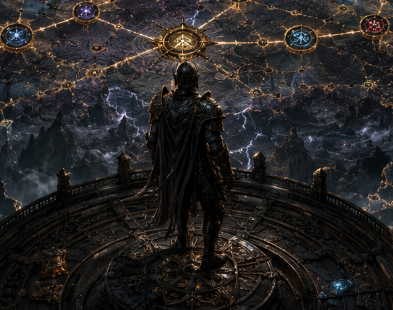
Instead of endlessly farming maps with no clear objective, players now progress through multiple endgame narrative arcs that gradually build toward major encounters. Each path feels connected to a larger story, giving players a stronger sense of purpose throughout their Atlas journey.
This change transforms the endgame from a simple loot chase into a progression system with clear goals and meaningful milestones.
Every session feels productive because players are constantly working toward something tangible rather than relying entirely on random drops.
Less RNG, More Progress
Traditional ARPG endgames often struggle with a common problem: players can spend hours farming without feeling closer to their desired objective.
Path of Exile 2’s updated Atlas largely avoids this issue.
Rather than waiting for a specific invitation or encounter to randomly appear, players can steadily collect fragments, unlock progression milestones, and move toward Pinnacle Boss battles through consistent gameplay.
This deterministic design creates a stronger sense of accomplishment because success is tied more directly to effort and planning.
The result is an endgame where player progression feels earned rather than randomly granted.
Pinnacle Bosses Feel More Meaningful
The new structure also enhances the impact of endgame boss encounters.
Because players spend time progressing through story arcs and collecting access requirements, reaching a Pinnacle Boss feels like a major achievement rather than another routine map event.
The encounters themselves are designed to be memorable. Complex mechanics, cinematic presentation, and high-stakes combat help create the type of boss battles that ARPG fans often remember long after a season ends.
These fights reward preparation, mechanical skill, and deep character optimization, giving players meaningful long-term goals to pursue.
A Healthier Endgame Economy
The new progression system is also influencing the in-game economy.
Since access to major bosses follows a more predictable path, boss-specific unique items are entering the market at a steadier rate. This helps reduce some of the extreme price volatility that can occur when rare encounters depend heavily on luck.
Players can better estimate the value of farming strategies, while traders benefit from a more stable supply of desirable items.
The result is a healthier marketplace where progression feels more accessible without eliminating the excitement of valuable drops.
Preparation Still Matters
While access to content is now more predictable, the difficulty of that content remains very real.
Pinnacle Bosses continue to represent some of the toughest challenges available in Path of Exile 2. Many encounters demand precise movement, optimized gear, and strong knowledge of boss mechanics.
For that reason, character progression remains extremely important. Players continue investing heavily in upgrades, crafting materials, and poe 2 currency to maximize their chances of success. Strong weapons, defensive layers, and optimized support gems often make the difference between a successful boss kill and a failed attempt.
As endgame competition intensifies, many players also prioritize accumulating additional resources before tackling their next major encounter.
The Runes of Aldur league demonstrates how thoughtful endgame design can dramatically improve the overall ARPG experience. By replacing excessive randomness with structured progression, Grinding Gear Games has created an Atlas system that respects player time while preserving challenge and excitement.
The new story-driven endgame gives players clear objectives, memorable boss encounters, and a stronger sense of progression from beginning to end. Rather than simply running maps in search of the next lucky drop, players are constantly moving toward meaningful goals.
For many fans, this evolution represents one of the strongest arguments yet that Path of Exile 2 is setting a new standard for modern ARPG endgame design.